The Daily Reality
You began with the intention of running a business. Now it runs you.
You began with the intention of running a business. Now it runs you.
You’re the bottleneck on work that doesn’t need you: the approvals, the same replies, the weekly report.
You hear that a project’s behind or your systems are failing after it’s a problem, not before.
The real numbers sit in six different tools, so you can never get a full picture.
Hours a week vanish into admin you can’t justify hiring for, so it lands back on you.
This started as my own survival kit.
I run Clariable, a web agency for electrification companies. Six months ago the admin was burying me: client reports, chasing invoices, keeping close to 40 sites secure and online, staying on top of the numbers. So I built an AIOS to take that work off my plate.
Today it reads 58 of the tools I already use. Every morning, before my first coffee, it hands me one brief: what moved, what needs a decision, what’s at risk. The monthly client reports I used to dread now get drafted themselves from live data. It watches every site for security and downtime and warns me before a client notices. It even works as my CFO, reading my budgets, invoices and time-tracking to tell me where the cash really is.
It gave me back the hours I was losing to work that never needed me. That’s what we build for you.

Mario Luna
Founder
What an AIOS does for you
It takes on the work that doesn’t need you.

A brief every morning
One read at the start of the day: revenue, cash, what slipped, what needs you. Instead of opening six tools to piece it together.

Replies and updates, pre-written
Customer replies and status updates arrive drafted in your voice, pulled from your own data. You approve them. You don’t write them.

Your numbers, daily
Revenue, cash and hours pulled together every morning, so decisions never wait on a spreadsheet.

A watch on what matters
Cash flow, slipping deadlines and failing systems, watched around the clock, so you hear about a problem before it costs you.
The Memory Problem
Most AI assistants
get worse the more you teach them
Every correction you give it goes into one instructions file, and the file grows. A few months later it reads a wall of text before every conversation, follows some of the rules and drops the rest. The bigger the company, the faster that happens.
We fixed it by splitting the memory in two. Mario’s own AIOS holds 270 memory files, about 16,400 lines in all. A conversation starts by loading 60 of those lines: who he is, the rules it can never break, and an index of everything else. The rest waits in topic files and loads only when the conversation touches it.
Once a month it deletes its own dead rules, so old decisions can’t outrank new ones.

How It Works
Step 1
We map how you work
Your tools, your real processes. No rip-and-replace.
Step 2
We set your AIOS system
Your AI will know your entire business and all systems connected to it.
Step 3
We automate what fits
We start where the payoff is clearest. Scope depends on your tools.
We start where the payoff is clearest.
Scope depends on your tools.
We came to this through building websites
Clariable builds websites for electrification companies. Running them showed us how much of a week disappears into repetitive work, so we started building systems to take it off our clients’ hands.
Same team, same standard you’d judge a web partner on, now pointed at how your whole business runs. Start with one automation or a dozen, and keep only
what earns its place.




Step 1
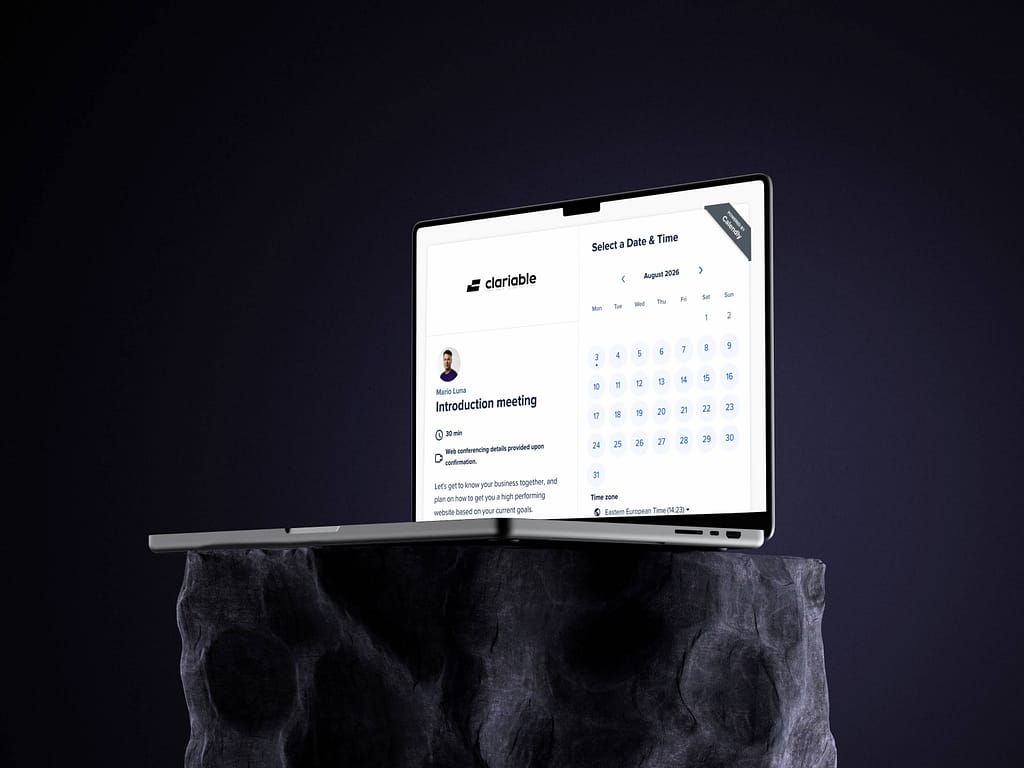
Book a 10-minute call
Step 2
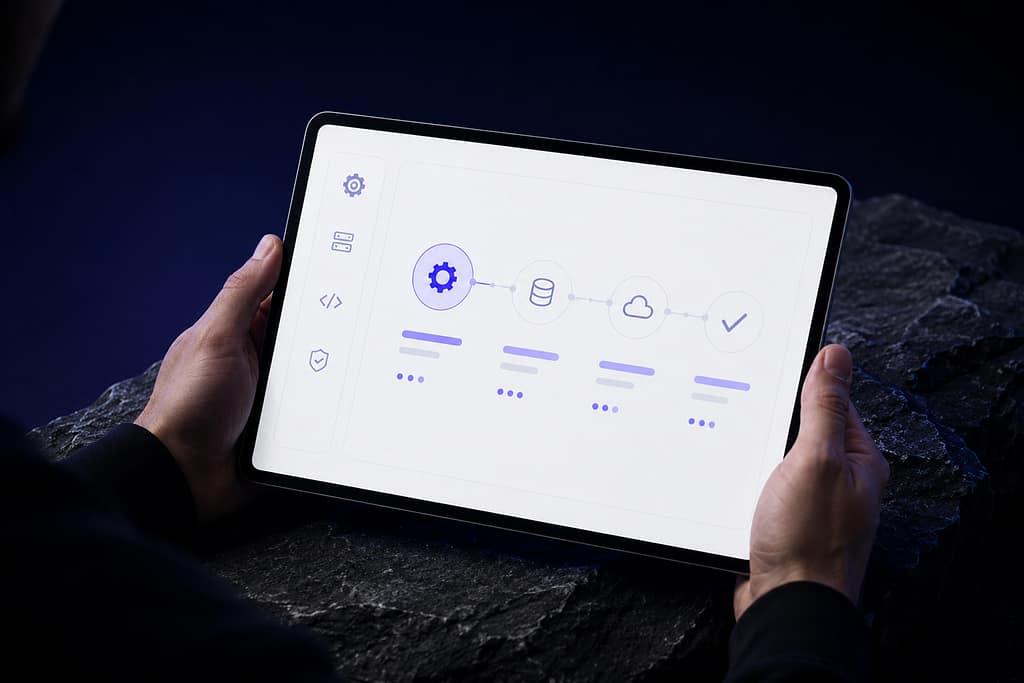
We identify the best first automation
Step 2
We identify the best first automation
Step 3
If it makes sense, we agree on the scope and start setup